Table of contents
Overnight, travel has started to look less like a checklist and more like a commitment, and the shift is visible from rail bookings to longer hotel stays as travelers trade speed for depth. “Slow travel” is not a nostalgic slogan but a measurable rebalancing of time, money, and attention, driven by post-pandemic flexibility, the cost of constant movement, and a growing appetite for experiences that feel rooted. The result is changing how destinations are marketed, how visitors move through them, and what local economies can realistically sustain.
Less hopping around, more nights booked
What if the biggest change in travel is simply staying put?
Across the industry, a quiet set of indicators suggests that shorter, multi-stop itineraries are losing their monopoly on what a “good trip” looks like, and that length of stay has become a key battleground for destinations. In Europe, the return of long-distance rail and the normalization of remote work have helped make extended trips more practical, while inflation has made frequent transport legs, luggage fees, and last-minute transfers feel like self-inflicted costs. Even when overall holiday budgets remain constrained, travelers often prefer reallocating money toward a few meaningful activities rather than burning cash on constant transit, and that preference naturally rewards cities and regions that can hold attention beyond the standard two-day circuit.
The data points line up with this broader narrative. In many mature destinations, average length of stay tends to move slowly, but it moves, and small changes matter because a single extra night can increase local spend on dining, culture, and neighborhood services more than another day trip ever will. Tourism economics researchers have long modeled this effect: accommodation anchors spending, and once a visitor has “paid” the fixed cost of arrival, the marginal cost of one more day often looks attractive, especially if there is a credible promise of discovery outside the main sights. That is exactly where slow travel exerts pressure, pushing destinations to improve secondary attractions, public transport clarity, and the everyday experience of being there, not just the iconic photo spot.
Airlines and low-cost carriers still move huge volumes, but their dominance no longer defines the only aspiration. On corridors where rail competes effectively, travelers increasingly choose trains for the ease of city-center arrivals and fewer friction points, and this favors itineraries designed around fewer bases. Meanwhile, accommodation platforms have heavily promoted weekly and monthly rates, and even traditional hotels are experimenting with “work-from-hotel” packages, because demand exists for stays that blend leisure with a few hours of work. The upshot is simple: destinations that once optimized for rapid turnover are now competing for time, and time is the currency slow travel values most.
The carbon question turns into itinerary choices
It is no longer abstract: the route matters.
For years, sustainability in tourism sat in the realm of pledges and offsets, but slow travel translates climate anxiety into tangible choices, and that is why it is gaining cultural traction. The aviation sector remains a significant source of emissions, and while the exact footprint varies by aircraft load, distance, and class of travel, the direction of travel is clear in public debate: fewer flights, longer stays, and more overland movement are seen as the most realistic levers available to individuals. This does not require perfection, but it does reward travel styles that reduce the frequency of high-emission legs, especially short-haul flights that can sometimes be replaced by rail.
European policy has also nudged behavior. Several countries have supported night trains and cross-border rail links, while some governments and employers have begun to treat rail as a default for certain domestic routes. Even when those policies are uneven, the cultural signal is strong, and it intersects with another trend: “flight shame” has moved from a niche conversation to a mainstream factor in how some travelers justify their plans to themselves and others. Slow travel fits neatly because it reframes restraint as richness, turning the absence of constant movement into a virtue rather than a compromise.
Destinations feel this shift in how they are judged. Visitors increasingly ask whether a city is walkable, whether there are reliable trams or buses, whether day trips can be done without renting a car, and whether there is a way to see the region without turning the holiday into a transport marathon. Those questions are practical, but they are also ethical, and they influence where people decide to base themselves. Cities that can be experienced on foot, and regions that offer coherent rail and coach connections, gain an advantage. It is not that travelers have suddenly become uniform environmental saints; it is that the carbon question has become a planning filter, and slow travel offers a workable answer that still feels like a treat.
Cities win when tourists leave the center
The real test comes after the landmark photo.
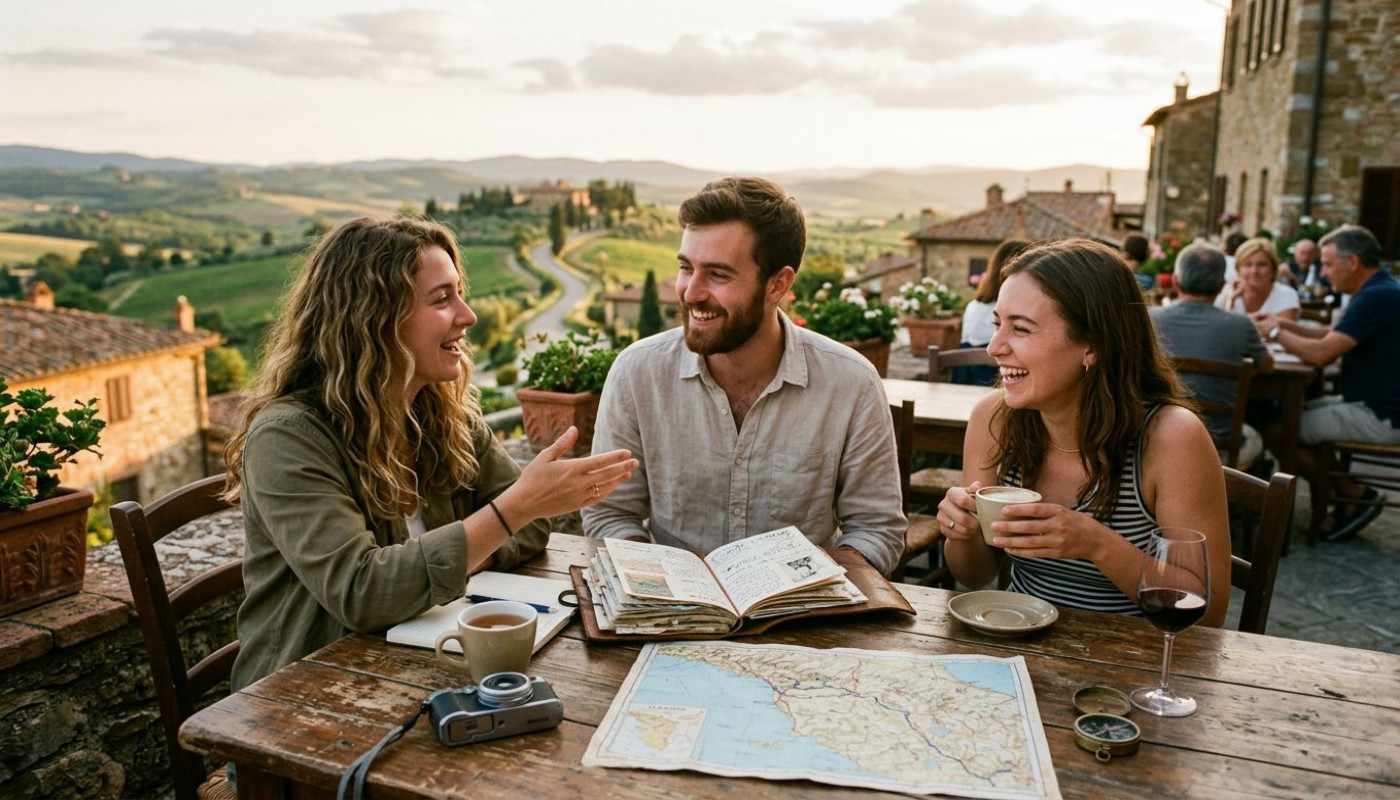
Overtourism has become one of the defining tensions of European travel, and slow travel changes the equation by spreading visitors in time and space, if it is done thoughtfully. The classic high-pressure pattern is familiar: big arrivals at the same hours, concentrated around the same attractions, with a churn of visitors who consume the center and leave little behind beyond congestion. Slow travel, by contrast, is built around repeat visits to cafes, smaller museums, local markets, and residential streets, and that is precisely where the economic benefits are broader and the friction with residents is often lower.
When travelers commit to longer stays, they are more likely to explore beyond the old town, to follow cultural calendars, and to take half-day excursions that do not require a 6 a.m. start. This can help cities smooth peaks, but it also forces them to manage new kinds of demand. If a destination succeeds, neighborhood bakeries and independent bookshops may see more business, but housing pressure can also intensify if short-term rentals crowd out locals. The slow travel narrative therefore intersects with regulation, and many European cities are now trying to balance visitor income with livability through licensing, caps, and stricter enforcement.
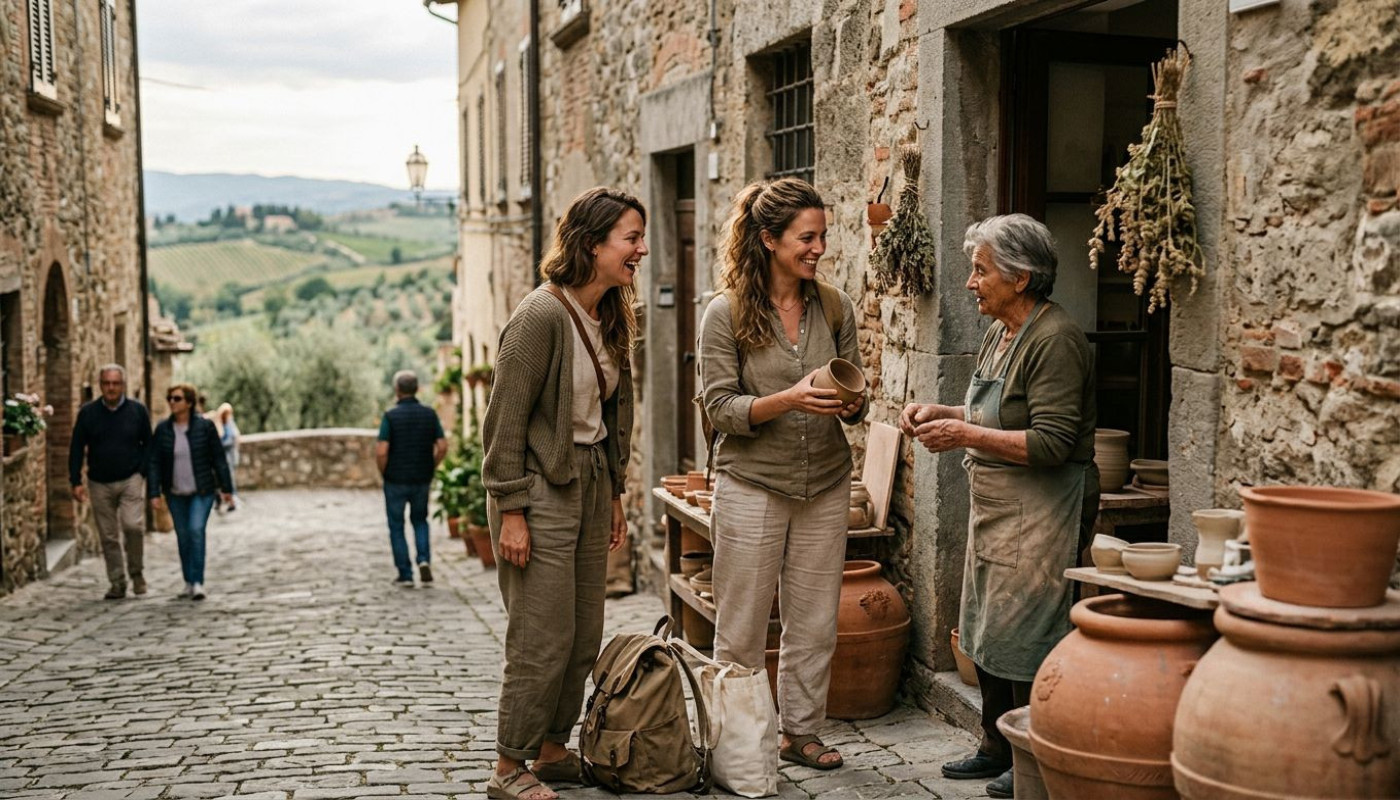
For travelers, the appeal is concrete. A slower pace often means returning to the same restaurant, learning a few local phrases, understanding public transport without panic, and noticing how the city changes from weekday morning to weekend evening. It also means making space for guided experiences that go beyond the headline sights, especially in destinations where history is layered and complex. In Central Europe, for example, visitors who give themselves time can move from the essential memorial sites to the less-publicized districts, and they can do it without feeling that every hour must be “maximized.” Practical planning supports this approach, and resources such as https://www.krakow-trip.com/ reflect the growing demand for structured options that still leave room for unhurried exploration.
“Slow” now means smarter planning
Spontaneity is great, but structure helps.
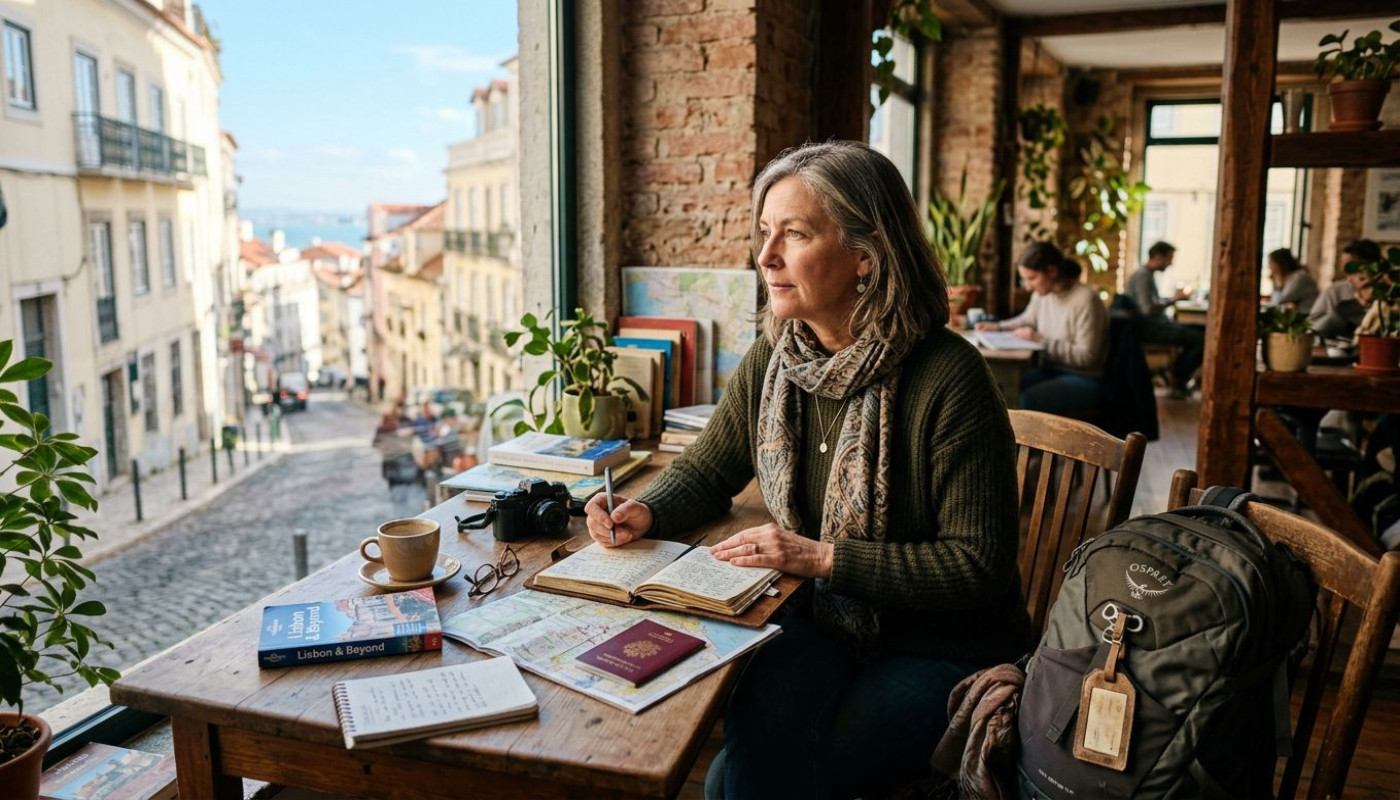
Slow travel is sometimes portrayed as wandering with no agenda, yet the most successful slow trips are often the best-prepared ones, because planning reduces friction and frees up time for what matters. The paradox is simple: if you want to move less, you need each choice to work, and that means understanding opening hours, booking rules, local transit patterns, and seasonal constraints. In popular destinations, timed-entry systems and capacity limits are increasingly common, and last-minute improvisation can lead to queues, sold-out museums, or expensive alternatives that undermine the whole idea of a calmer, more immersive trip.
Budgeting also looks different. Slow travel can be cheaper than fast travel because it reduces transport legs, but it can also tempt travelers into “small” daily expenses that add up, from specialty coffee to spontaneous concerts. A realistic plan accounts for this, and it often includes a mix of free experiences, such as parks and neighborhoods, and paid highlights, such as guided tours where expertise genuinely changes what you understand. Many travelers now build itineraries around one or two anchor experiences, and then leave generous gaps for serendipity, which is a more sustainable rhythm than trying to “do” a city in 36 hours.
Technology plays an enabling role, but not in the way the early internet promised. Instead of accelerating everything, apps and platforms now help people slow down with confidence, whether that means reserving train seats early, mapping walkable routes, or choosing day trips that do not require a car. At the same time, the most important tool remains time itself, and that is the resource travelers are increasingly willing to protect. Slow travel is not anti-modern; it is a modern response to overload, and it asks a straightforward question that many destinations are now answering with new offers and new infrastructure: what would visitors do with one more day here?
How to make slow travel work
Start by booking enough nights, and plan one major activity per day, then leave space for neighborhoods, markets, and simple walks. Set a clear budget for transport, food, and two paid visits, and book high-demand sites ahead; in some countries, rail discounts and city passes can cut costs, and local tourist offices often list seasonal offers.
Similar articles